

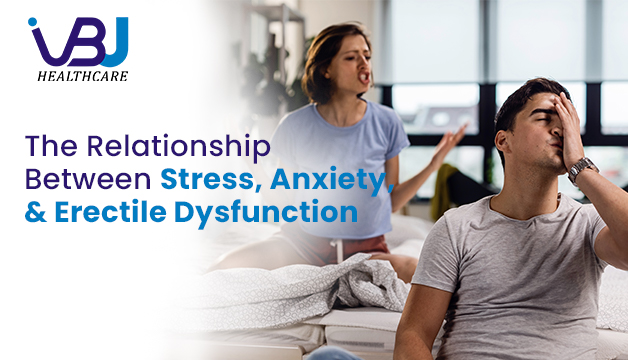
For men, the erectile function depends on factors such as testosterone levels, nitric oxide production, stimulation, arousal, emotional connect, blood pressure, vascular condition, neurological health, and others. When a person is stimulated or aroused, the neurochemicals are activated that send brain signals to improve blood circulation to the pelvic region, causing penile engorgement.
However, erectile dysfunction (ED) occurs when these systems are not in tandem with each other. One of the common causes is anxiety and ED, as well as stress, and other psychological disturbances. In this blog, we will discuss how all these aspects are interrelated and affect each other, and the possible solutions.
How Does Stress Affect Sexual Wellness?
Stress and anxiety affect the sympathetic nervous system, which provokes the body to go into fight-or-flight response. Thus, stress and erectile dysfunction do not let the penile organ to relax or fill adequately with blood, resulting in weak or soft erection. Here are other influences that are possible:
· Increase in Cortisol and Adrenaline: Chronic stress constricts the blood vessels and leaves less blood for non-essential organs such as the male reproductive organ, and directs blood flow more to other muscles and organs instead. This keeps the penile organ lacking the blood supply it needs to stay erect.
· Less of Nitric Oxide: Anxiety disrupts the neurotransmission, which reduces the production of nitric oxide. Thereby, the smooth muscles of the pelvic area do not flex as usual and stay tightened, restricting blood circulation to the penile tissues.
· Low Testosterone: Constant elevation of cortisol has an extended impact on hormonal balance. It is responsible for lowering testosterone levels and dulling the sex drive. When arousal is affected and the mind is full of racing thoughts, you stay distracted, which makes it difficult to achieve and maintain a firm erection.
Performance Anxiety and its Role in ED
Psychogenic ED is more common in men than ED caused by physical disorders. Mental troubles and doubts about sexual performance give rise to a spiral of thoughts, which make the intimate journey incomplete and non-seamless. This impacts erection quality, many finding it hard to even achieve an erection, lest maintain one. Thus, anxiety and ED share a deep connection, but there are ways to overcome this problem.
Feelings of failure at being a ‘man’ or not meeting the expectation of the partners, keeps a person fearful of getting intimate. The focus shifts away from enjoying the experience and drives more into how one is performing or how someone is perceiving them to act like. This gives rise to stress and the anxiety even affects the physical health, leading to improper sexual response, fatigue, burnout, and problems sustaining a hard-on.
Common Psychological Triggers for ED
While anxiety, stress and erectile dysfunction go hand in hand, there are other psychological factors responsible for ED as well:
· Mental exhaustion can happen for various reasons, which affects sexual stamina, energy, and libido – negatively.
· Generalized anxiety disorder keeps the body in a state of fight-or-flight, disturbing the synchronization between the mind and body, otherwise needed to relax the pelvis and cause an erection.
· Fear of non-performance and lack of self-esteem give rise to anxiety, making it difficult to get a hard-on during intimacy.
· Depressive symptoms or clinical depression interferes with the production of serotonin and dopamine, affecting erection due to lack of nitric oxide release. This causes displeasure and lack of sexual response.
· Relationship problems cause a disconnect between couples, bringing emotional distance and affecting libido or wanting to get intimate with each other, leading to ED at the time of intimacy.
Managing Stress and Anxiety Related Erectile Dysfunction
Let us study how stress, anxiety and ED can be tackled to improve intimacy experience for men:
· Keep a Check On Your Sexual Expectations
The experience of being with someone is more pleasurable when you let the surprises unfold rather than staying focused only on intercourse. Sensory intimacy is powerful while penetration is a part of the journey. Most people with performance anxiety are too tied up about doing their best than enjoying the touch, emotional closeness, and sensations. Thus, to overcome related ED, it is important to manage your sexual expectations.
· Practice Mindfulness and Focus on the Present
Being mindful about intimacy and your partner helps you stay focussed on the present moment rather than dwelling on ‘what if’ and ‘what it could be like’. To practice mindfulness, you can adapt slow diaphragmatic breathing to activate the nervous system, controlling your heart rate, which eases blood vessel dilation and resulting in a robust erection.
· Indulge in Psychotherapy
To tackle stress and erectile dysfunction, cognitive behavioral therapy (CBT) is quite effective, especially when it is about overthrowing performance anxiety. It reinforces positive thoughts and introspection required to overcome anxiety related to intimacy. It also helps build confidence and self-esteem, contributing to a better sexual experience.
· Adopting a Few Lifestyle Changes
Some changes in daily habits boost your sexual health for the better. For instance, exercising regularly burns off excess calories to manage weight, while increasing endorphins to enhance mood. It also protects cardiovascular health. Similarly, grabbing quality sleep for 7 to 8 hours regulates testosterone and cortisol levels. Lastly, maintain open communication with your loved one to build the emotional connection.
Frequently Asked Questions
Here are the common FAQs about anxiety, stress and erectile dysfunction in men:
1. Can stress cause sudden erectile dysfunction in young men?
For young males, more than physical health issues, it is psychogenic ED that affects the erection capacity. Anxiety, stress, lack of self-esteem, body image issues, etc. are the leading factors for ED in youthful men.
2. How do I know if my ED is physical or psychological?
Psychological erectile dysfunction may occur suddenly and may not last long, followed by the natural ability to attain morning hard-ons. However, physical ED usually occurs over time and does not result in morning erections easily.
3. Will taking an ED medication help if my problem is anxiety-related?
The oral PDE5 inhibitors like Sildenafil, Tadalafil, Vardenafil, Avanafil, etc. boost blood circulation to the penile organ, and may break the cycle of soft erections. Once a hard-on happens properly, it may act in favor of overcoming anxiety and stress, eliminating ED.
4. How long does it take to recover from stress-induced ED?
Stress management and maintaining mental wellness are the keys to solving ED problems that happen because of anxiety, stress, and psychological factors. The duration of recovery differs from a person to another.
5. Can relationship conflict cause performance anxiety in bed?
Yes, anxiety and ED can result from relationship troubles. The communication gap, emotional disconnect, and distance cause stress and fear, disturbing natural arousal require for a healthy intimacy.